In a world dominated by smartphones and digital devices, luxury watches represent something far more profound than mere timekeeping. These meticulously crafted mechanical marvels combine centuries of horological tradition with modern engineering excellence, creating timepieces that serve as both functional art and shrewd investments. The global luxury watch market, valued at over $60 billion and projected to reach $135 billion by 2032, continues to attract discerning collectors and investors who appreciate the finer things in life. Much like high-end cars, luxury watches are prized not only for their craftsmanship but also for their strong investment potential and collector interest, often outperforming other high-value assets in terms of resale value and market growth.
Whether you’re considering your first watch purchase or looking to expand an existing collection, understanding the intricate world of luxury timepieces requires knowledge of brand heritage, investment potential, and smart buying strategies. From the Swiss Holy Trinity of Patek Philippe, Vacheron Constantin, and Audemars Piguet to accessible luxury options, this comprehensive guide will help you navigate the prestigious universe of high end watches.
What Defines a Luxury Watch
The distinction between ordinary timepieces and luxury watch brands extends far beyond price tags. True luxury watches embody a convergence of exceptional craftsmanship, premium materials, and horological innovation that has been refined over generations. From the Swiss Holy Trinity to renowned maisons, each brand often offers a distinct line of watches, with each line showcasing unique design themes, technical features, or exclusive complications that set them apart within the world of haute horlogerie.
Mechanical movements with hand-assembled complications showcase superior craftsmanship
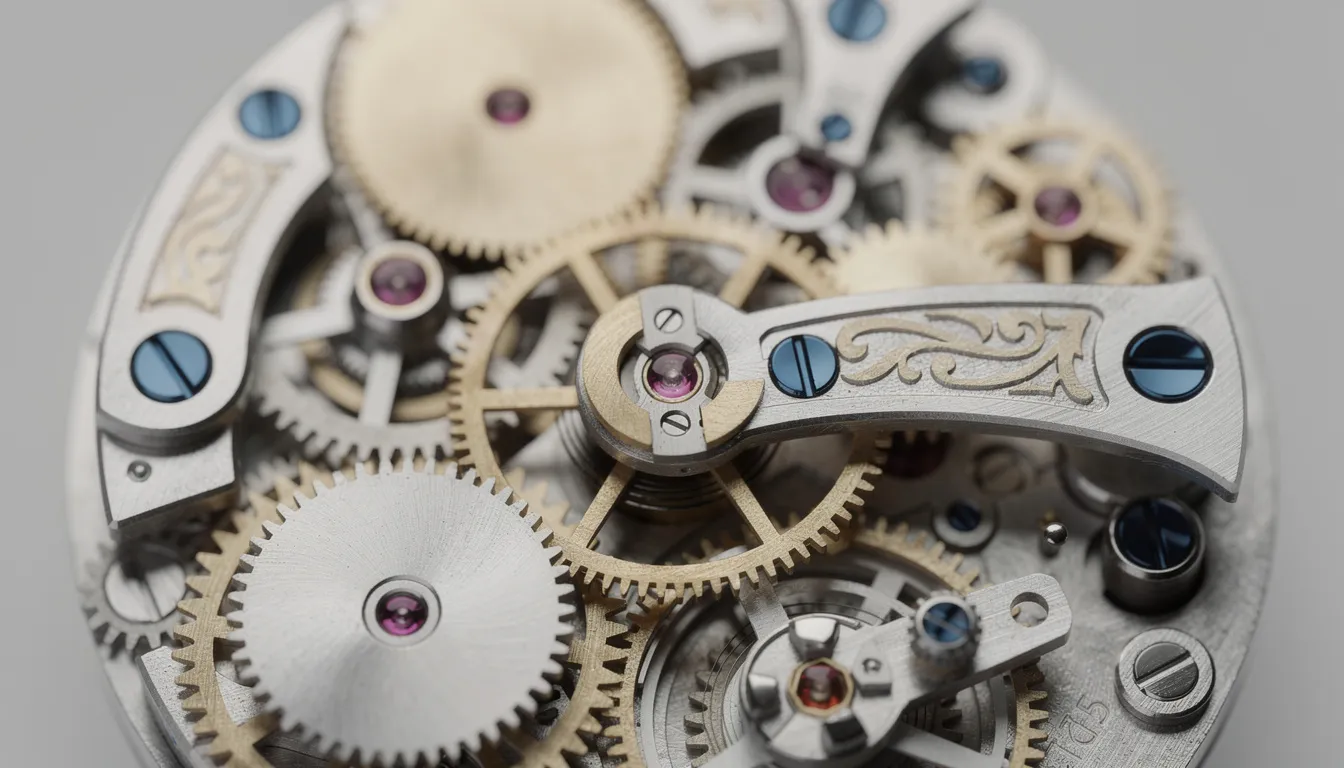
At the heart of every luxury watch lies a mechanical movement – a complex assembly of hundreds of precisely machined components working in perfect harmony. Unlike mass-produced quartz watches, these movements feature hand-assembled complications such as perpetual calendars, minute repeaters, and tourbillons. Master watchmakers spend years perfecting their craft, meticulously finishing each component with techniques like Côtes de Genève striping and hand-polished anglage.
The finest luxury brands manufacture their movements in-house, maintaining complete control over quality and innovation. This vertical integration allows companies like Rolex, Patek Philippe, and Audemars Piguet to develop proprietary technologies and maintain the exceptional standards that collectors and enthusiasts demand.
Premium materials including finest materials and construction
Luxury watchmakers spare no expense in sourcing the finest materials for their creations. Cases are typically crafted from 18k gold (available in yellow, white, or rose variants), platinum, or high-grade stainless steel like Rolex’s proprietary 904L steel. Crystal components use synthetic sapphire, which ranks 9 on the Mohs hardness scale, providing exceptional scratch resistance and optical clarity.
Modern luxury brands have also embraced innovative materials such as ceramic bezels, titanium cases, and even exotic composites. These materials not only enhance durability but also allow for striking aesthetic contrasts that define contemporary luxury design.
Heritage brands with decades of watchmaking history
The most respected luxury brands carry centuries of horological heritage. Vacheron Constantin, founded in 1755, proudly claims the title of the world’s oldest continuously operating watch manufacturer. This deep history represents not just longevity, but accumulated expertise in solving complex mechanical challenges and refining aesthetic principles.
Brand reputation plays a crucial role in resale value and collector desirability. Established manufacturers have weathered economic downturns, technological disruptions like the quartz crisis of the 1970s, and changing consumer preferences while maintaining their commitment to excellence.
Limited production volumes maintaining exclusivity
Scarcity drives desirability in the luxury watch world. Top-tier brands deliberately limit annual production to maintain exclusivity and support premium pricing. Patek Philippe produces approximately 60,000 watches annually, while even larger manufacturers like Rolex maintain production discipline to ensure demand consistently exceeds supply.
This controlled scarcity creates waiting lists that can extend for years, particularly for popular steel sports models. The phenomenon of authorized dealers maintaining waitlists has become a defining characteristic of the modern luxury watch market.
Price points and value positioning
True luxury watches typically command purchase prices starting around $5,000, with prestigious brands often beginning closer to $15,000-$25,000. Complicated pieces featuring perpetual calendars or minute repeaters can easily reach into six or seven figures, as demonstrated by auction records like the $24.4 million paid for a Patek Philippe Henry Graves Supercomplication.
These elevated price points reflect not only material costs and manufacturing complexity, but also the value of heritage, exclusivity, and the peace of mind that comes with owning a piece from a respected manufacturer.
The History of Luxury Watches
The story of luxury watches is a fascinating journey that spans centuries, beginning in the 16th century when the first portable timepieces emerged as symbols of status and innovation. Over the years, legendary luxury watch brands like Patek Philippe and Audemars Piguet have played pivotal roles in shaping the industry, pioneering advancements that continue to influence watch collectors and enthusiasts worldwide.
As watchmaking evolved, luxury brands introduced groundbreaking complications such as the perpetual calendar and the tourbillon, elevating the mechanical watch from a simple timekeeper to a marvel of engineering and artistry. These innovations not only improved accuracy but also showcased the technical prowess of master watchmakers.
Throughout history, luxury watches have been crafted from the finest materials, including gold, platinum, and steel, reflecting both the wealth and taste of their owners. Vintage watches from renowned brands like Rolex, Omega, and Tag Heuer have become highly coveted by collectors, prized for their unique character, historical significance, and enduring value. Today, these timepieces are more than just functional accessories—they are investments, heirlooms, and expressions of personal style.
The legacy of luxury watch brands is built on a foundation of tradition, innovation, and excellence. Whether it’s the timeless elegance of a Patek Philippe, the robust reliability of a Rolex, or the sporty sophistication of a Tag Heuer, each watch tells a story of craftsmanship and heritage. As the world of luxury watches continues to evolve, collectors and enthusiasts remain captivated by the rich history and lasting value these exceptional timepieces offer.
Types of Luxury Watches
Luxury watches come in a dazzling array of styles, complications, and materials, ensuring there’s a perfect timepiece for every watch collector and enthusiast. From classic dress watches to bold sports models, each high end watch is meticulously crafted to deliver exceptional quality, precision, and prestige.
Popular models like the Rolex Submariner, Omega Speedmaster, and Audemars Piguet Royal Oak have become icons in the world of luxury, celebrated for their innovative designs and reliable performance. These watches are available in a variety of materials, including rose gold, white gold, and robust stainless steel, allowing collectors to choose a piece that matches their personal style and lifestyle needs.
For those seeking something truly special, brands like Grand Seiko are renowned for their precise movements and elegant aesthetics, making them a favorite among discerning collectors. Whether you’re investing in a brand-new watch or exploring the world of pre owned models, luxury watches offer a unique blend of craftsmanship, innovation, and timeless appeal.
Each model, from the understated elegance of a gold dress watch to the sporty allure of a steel chronograph, is a testament to the brand’s commitment to quality and meticulous attention to detail. For enthusiasts and collectors alike, owning a luxury watch is about more than just telling time—it’s about celebrating the exceptional artistry and enduring prestige that define the world’s finest timepieces.
Top Luxury Watch Brands and Their Signature Models
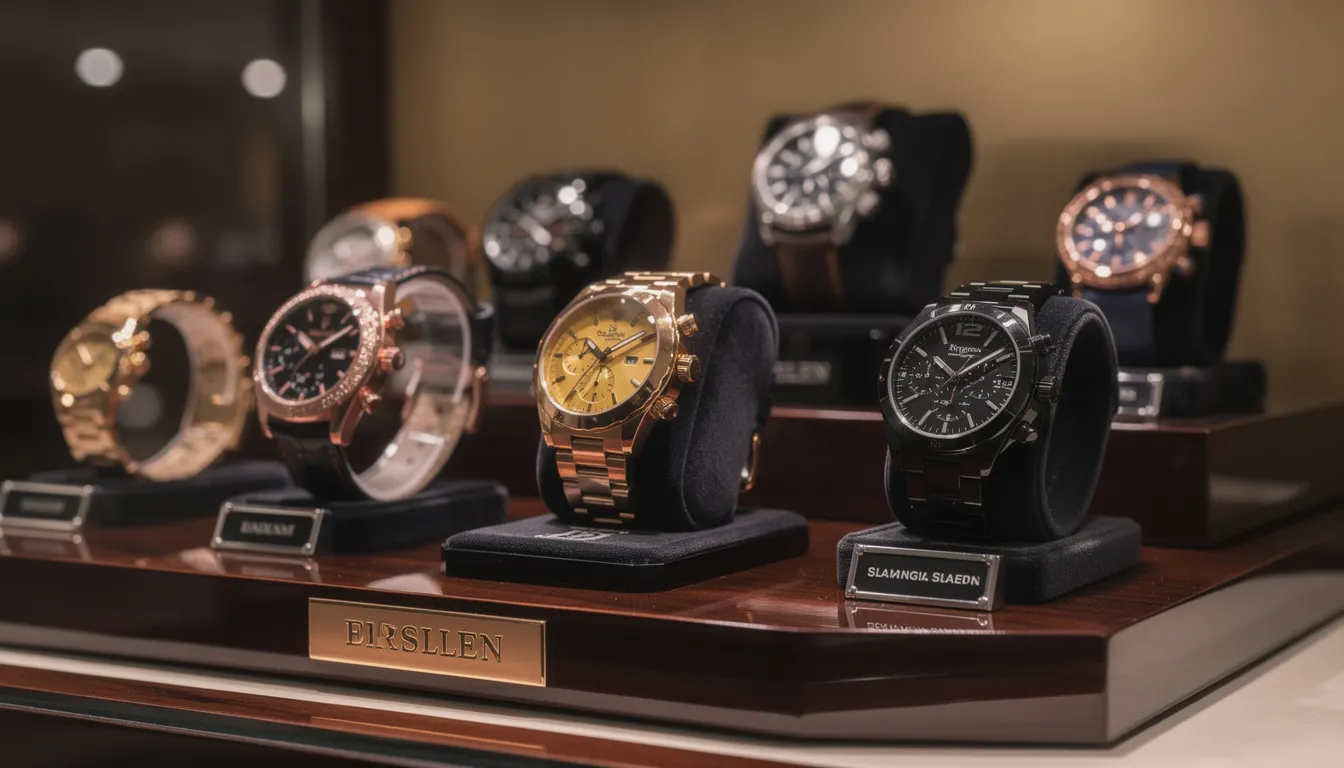
The luxury watch landscape features a clear hierarchy, with certain brands occupying the pinnacle of collector desire and market value. Understanding this positioning helps buyers make informed decisions and collectors focus their efforts on pieces with strong long-term prospects.
Patek Philippe: The Pinnacle of Swiss Watchmaking
Founded in 1839, Patek Philippe represents the absolute apex of Swiss watchmaking tradition. This family-owned company has maintained its independence while setting standards for mechanical complexity and aesthetic refinement that other manufacturers aspire to achieve.
The brand’s most iconic model, the Nautilus, launched in 1976, revolutionized luxury sports watch design with its distinctive porthole-inspired case and integrated bracelet. Designed by legendary designer Gérald Genta, the Nautilus commands waiting lists exceeding eight years for steel models, with pre owned examples often selling for multiples of retail price.
The classic Calatrava collection embodies timeless dress watch elegance, while Patek Philippe’s Grand Complications demonstrate the manufacturer’s mastery of horological artistry. The brand’s perpetual calendar watches automatically account for varying month lengths and leap years, requiring adjustment only in 2100 due to calendar peculiarities.
Patek Philippe’s limited annual production of approximately 60,000 pieces ensures that every watch retains exceptional resale value. The brand’s marketing philosophy – “You never actually own a Patek Philippe. You merely look after it for the next generation” – reinforces the heirloom positioning that drives collector demand.
Rolex: The Crown of Luxury Sports Watches
Established in 1905, Rolex has achieved unparalleled recognition as the world’s most recognizable luxury watch brand. The company’s innovations in waterproof case technology (the Oyster case in 1926) and automatic winding systems (the Perpetual rotor in 1931) laid the foundation for modern luxury sports watches.
Rolex’s strategy of maintaining supply discipline while building brand equity has created a secondary market phenomenon where popular models trade above retail price. The GMT-Master II collection has demonstrated remarkable investment performance, with average prices appreciating over 550% since 2010 according to dealer data.
Key Rolex models include:
- Submariner: The archetypal dive watch, worn by James Bond and treasured by collectors
- Daytona: Racing chronograph with cult following, particularly vintage Paul Newman dial variants
- GMT-Master II: Dual-time watch available in iconic “Pepsi,” “Batman,” and “Root Beer” bezel configurations
- Datejust: The quintessential luxury dress watch, available in countless dial and metal combinations, featuring a date display at 3 o’clock
- Day-Date: Known as the “President,” this model features both the day of the week and the date displayed on the dial, with its signature date complication
Rolex dominates approximately 32% of the global luxury watch secondary market, demonstrating the brand’s exceptional value retention and broad collector appeal.
Audemars Piguet: Revolutionary Royal Oak Legacy
Founded in 1875, Audemars Piguet achieved immortality in 1972 with the introduction of the Royal Oak – a stainless steel sports watch designed by Gérald Genta that commanded gold watch prices. The octagonal bezel design and integrated bracelet created a new category of luxury sports watches that continues to influence contemporary design.
The Royal Oak saved Audemars Piguet during the quartz crisis and established the template for high-end steel sports watches. Modern Royal Oak models feature the distinctive “Tapisserie” textured dial and visible hexagonal screws that have become design icons.
Audemars Piguet has expanded production from 9,500 to 40,000 watches annually while maintaining exclusivity through limited editions and boutique-exclusive variants. The Royal Oak Offshore collection, introduced in 1993, offers larger case sizes and sportier aesthetics that appeal to contemporary tastes.
The brand captures approximately 5% of global luxury watch secondary market transactions, with steel Royal Oak models commanding substantial premiums above retail price in the pre owned market.
Other Notable Luxury Brands
Vacheron Constantin, the oldest Swiss manufacturer since 1755, represents understated excellence and Geneva Seal certification. Their Overseas collection competes directly with the Nautilus and Royal Oak in the integrated bracelet luxury sports category.
A. Lange & Söhne brings German precision and distinctive aesthetic principles to luxury watchmaking. Their movements feature unique design elements and finishing techniques that have earned acclaim from watch collectors worldwide.
Omega carries significant heritage as the official timekeeper of the Olympics and NASA’s space missions. The Speedmaster Professional “Moonwatch” remains the only watch certified for spacewalk use and continues to attract collectors interested in horological history.
IWC Schaffhausen specializes in pilot’s watches and Portuguese dress watches, combining robust engineering with distinctive design language that appeals to tool watch enthusiasts.
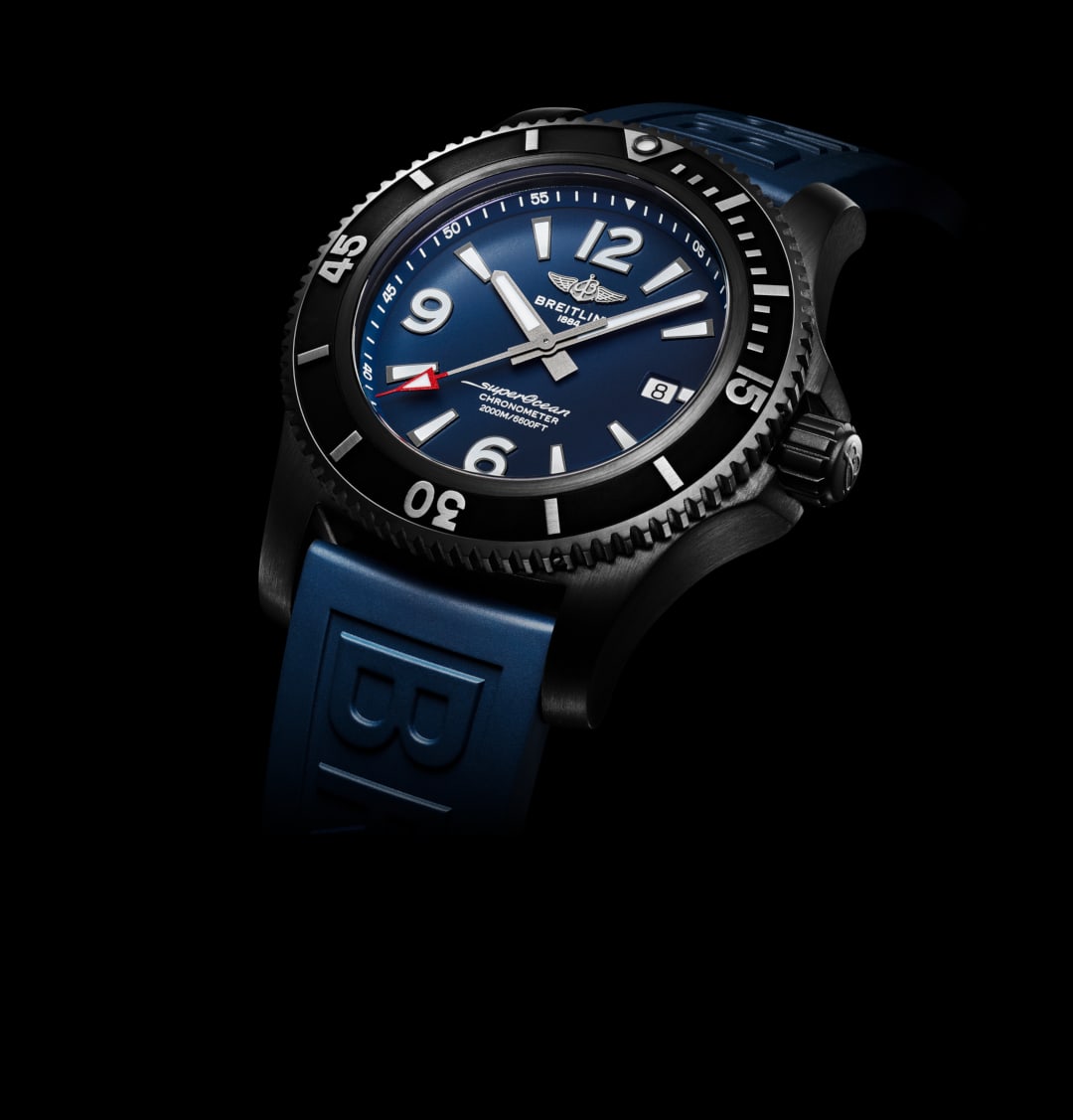
Breitling maintains strong connections to aviation, producing chronographs trusted by military and civilian pilots since World War II. Their Navitimer remains an icon of aviation timekeeping.
The Benefits of Owning a Luxury Watch
Owning a luxury watch is about far more than simply keeping track of time—it’s an experience that brings prestige, satisfaction, and lasting value. These exceptional timepieces, crafted by renowned brands like Patek Philippe and Breitling, are often made with rare and precious materials such as platinum cases and diamond-encrusted dials, which not only enhance their beauty but also contribute to their impressive resale value.
Luxury watches are built to stand the test of time, with intricate movements and complications that showcase the highest levels of craftsmanship. Each model is a work of art, reflecting the dedication and skill of master watchmakers. For enthusiasts and collectors, wearing a luxury watch is a way to express appreciation for the finer things in life and to make a statement about personal style and achievement.
Beyond their aesthetic and technical appeal, luxury watches can serve as valuable investments. Many models appreciate in value over the years, especially those from prestigious brands with a history of exceptional quality and limited production. The rarity and exclusivity of certain timepieces make them highly sought after in the collector’s market, offering both emotional and financial rewards.
Whether you’re drawn to the exceptional craftsmanship of a Patek Philippe, the innovative spirit of a Breitling, or the timeless elegance of a diamond-accented model, owning a luxury watch is a mark of distinction. It’s a way to celebrate life’s milestones, enjoy the prestige of world-class design, and participate in a tradition of excellence that spans generations.
Luxury Watches as Investment Assets
The luxury watch market has evolved beyond hobby collecting into a recognized alternative asset class, with sophisticated investors allocating portions of their portfolios to rare timepieces. However, it is important to note that the moment a new watch is purchased, it often experiences immediate depreciation, which is a key consideration for investors. Understanding investment dynamics requires analyzing market trends, brand performance, and the factors that drive long-term value appreciation.
Market fundamentals and growth projections
The global luxury watch market has demonstrated remarkable resilience and growth, expanding from $60 billion in 2024 with projections reaching $135 billion by 2032. The secondary market alone represents $26.52 billion in annual transactions, driven by strong collector demand and limited supply from manufacturers.
This growth reflects several key trends: increasing wealth in emerging markets, younger collectors entering the market, and growing recognition of watches as legitimate investment vehicles. Digital platforms have democratized access to rare pieces while providing price transparency that was previously unavailable.
Best Investment-Grade Watches
Certain models have consistently demonstrated superior investment performance over extended periods. Patek Philippe steel sports models, particularly the Nautilus, have achieved annual appreciation rates of 4-6% over the past decade. These pieces benefit from extreme scarcity and universal recognition among collectors worldwide.
Rolex Daytona and GMT-Master II models frequently command premiums above retail price, even for new pieces. The brand’s controlled production and exceptional brand recognition create consistent demand that supports strong resale values. Second-hand Rolex watches are especially sought after in the secondary market, with prices often increasing over time, highlighting their strong value retention and desirability among collectors. Used watches, in general, often offer better value, slower depreciation, and unique character compared to new watches, making them attractive options for collectors and enthusiasts. Vintage Daytona models with exotic “Paul Newman” dials have achieved astronomical auction prices, with some examples selling for over $17 million. Owning a vintage watch not only provides historical significance but also adds collector value due to its age, design, and rarity.
Omega Speedmaster moon watches continue setting auction records, driven by space exploration heritage and limited production of commemorative variants. The connection to NASA missions and moon landings provides compelling provenance that appeals to both collectors and institutions.
Limited edition pieces from A. Lange & Söhne often break price barriers due to German manufacturing excellence and extremely limited production runs. These watches appeal to sophisticated collectors who appreciate technical innovation and exceptional finishing quality.
Cartier Tank and Santos models maintain exceptional value retention, typically holding 87-99% of retail price even in used condition. The timeless design and jewelry brand heritage create broad appeal that transcends traditional watch collecting circles.
Factors Affecting Investment Potential
Scarcity drives premium pricing through discontinued models and deliberately limited production runs. Manufacturers like Patek Philippe regularly discontinue popular references, immediately creating collector interest and price appreciation potential.
Brand heritage and historical significance provide the foundation for long-term value retention. Brands with compelling stories – whether technical innovation, exploration heritage, or royal patronage – maintain stronger collector interest across market cycles.
Condition and documentation dramatically impact resale value. Pristine condition examples with original boxes, papers, and service history command significant premiums over worn pieces or those with replacement parts. Watches kept in good condition retain a higher percentage of their retail value and are more desirable in the luxury market. Professional restoration can be costly and may not fully restore original value.
Complications increase complexity and rarity, with perpetual calendars, minute repeaters, and multi-function pieces typically appreciating faster than time-only models. However, these pieces also carry higher service costs that must be factored into total returns.
Material composition affects long-term prospects, with precious metals historically outperforming steel in some market segments, though contemporary trends favor steel sports models that combine everyday wearability with investment potential.
Luxury Watch Collecting
Luxury watch collecting is a passion-driven pursuit that brings together enthusiasts and collectors from around the world. For many, the thrill lies in discovering rare and limited-edition models—such as the Patek Philippe Nautilus or the Audemars Piguet Royal Oak Offshore—that not only showcase exceptional craftsmanship but also have the potential to appreciate in value over time.
Building a collection starts with research and a keen eye for detail. Reputable dealers like Bob’s Watches, as well as watch shows and auctions, offer opportunities to discover unique timepieces and connect with other collectors. Understanding the market is crucial: factors like the brand’s reputation, the watch’s condition, and its resale value all play a role in making a smart purchase.
Collectors often seek out models that stand out for their rarity, historical significance, or innovative features. Whether you’re interested in vintage classics or modern masterpieces, each addition to your collection tells a story and adds to the overall value and diversity of your timepieces.
Luxury watch collecting is more than just a hobby—it’s a rewarding journey that fosters a sense of community and camaraderie among like-minded enthusiasts. By staying informed and making thoughtful purchases, collectors can build a collection that not only brings personal satisfaction but also holds lasting value in the ever-evolving luxury watch market.
How to Buy Your First Luxury Watch
Entering the luxury watch world requires careful consideration of budget, lifestyle needs, and long-term collecting goals. For many, the pride and exclusivity of being the first owner of a luxury watch purchased directly from the seller adds a unique emotional benefit to the experience. First-time buyers benefit from understanding different purchase channels and developing expertise in authentication and condition assessment.
Setting realistic expectations and budgets
Your first luxury watch purchase should align with both financial capabilities and personal style preferences. Entry-level luxury pieces from respected brands typically start around $5,000-$8,000, while iconic models from top-tier manufacturers often require significantly larger investments.
Consider long-term cost of ownership, including periodic servicing every 3-5 years, insurance costs for valuable pieces, and potential storage requirements. Mechanical movements require more maintenance than quartz alternatives, but offer superior investment potential and collector appeal.
Many collectors recommend starting with a versatile piece that can transition from business to casual settings. Classic models like the Omega Speedmaster, Rolex Datejust, or Cartier Tank offer timeless design and strong value retention while providing excellent daily wear characteristics.
Authorized Dealers vs. Secondary Market Options
Authorized dealers provide important benefits including manufacturer warranties, authentic products, and access to the latest models. Building relationships with reputable dealers can help secure allocation for popular pieces that typically carry waiting lists.
However, authorized dealers often cannot meet demand for highly sought-after models, leading many buyers to explore secondary market options where immediate availability comes at premium pricing.
Chrono24 serves over 9 million watch enthusiasts monthly, connecting buyers with dealers worldwide. The platform provides extensive inventory and competitive pricing, though buyers must carefully evaluate seller credentials and return policies.
Pre-owned specialists like Bob’s Watches and Crown & Caliber offer professional authentication, conditioning services, and return guarantees that provide additional security for significant purchases. These platforms often feature detailed condition reports and high-resolution photography that assists remote evaluation.
Local jewelers can provide personalized service and opportunities to inspect pieces before purchase. Established shops often carry pre owned inventory and may offer trade-in services for future upgrades.
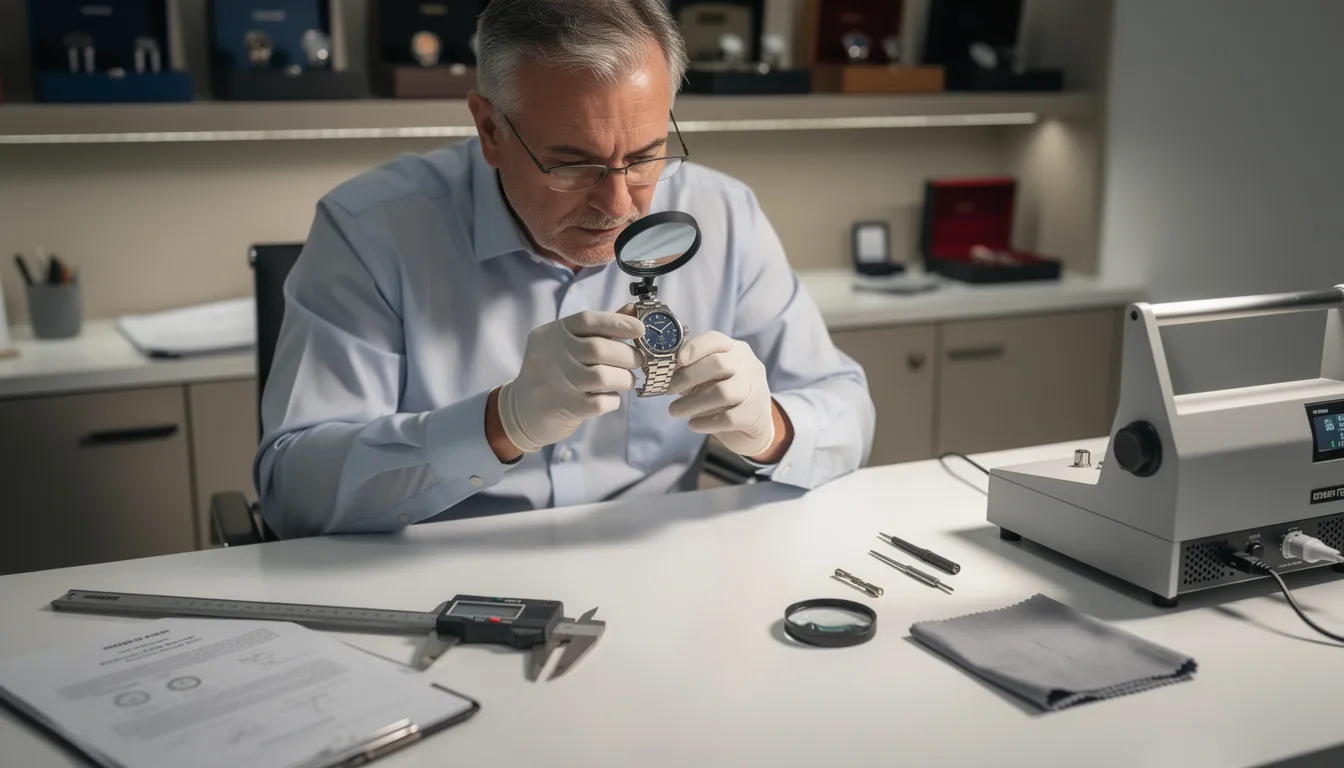
Authentication and Inspection Checklist
Protecting against counterfeits and misrepresented pieces requires systematic evaluation of multiple authentication points:
Serial and reference numbers should match manufacturer databases and appear in correct locations with appropriate depth and font characteristics. Experienced dealers can verify authenticity through official channels.
Movement examination reveals authenticity and service condition through inspection of component finishing, decoration patterns, and manufacturer markings. Aftermarket or replacement movements significantly impact value.
Case and crystal condition affects both aesthetic appeal and water resistance integrity. Professional refinishing can improve appearance but may alter original proportions and finishing characteristics.
Dial and hands verification requires careful inspection for reluming, replacement parts, or unauthorized modifications. Original components command premium pricing while replacements may indicate previous damage or poor care.
Bracelet evaluation should assess stretch, clasp function, and link condition. Original bracelets carry significant value, particularly for integrated designs like the Royal Oak or Nautilus.
Documentation requirements include certificates of authenticity, service records, and original packaging. Complete documentation significantly enhances resale value and provides important provenance information. During a sale, it is crucial for the buyer to ensure that they only pay after receiving and verifying the luxury watch, protecting their money and ensuring a secure transaction. The buyer plays a key role in the transaction process, and secure payment methods help both parties complete the sale with confidence.
Common Mistakes to Avoid
Buying a luxury watch is an exciting experience, but it’s important to avoid common pitfalls that can impact your investment and enjoyment. One of the most frequent mistakes is failing to research the market and understand the true value of a watch, including its purchase price, resale value, and potential for depreciation. Taking the time to compare prices and study recent sales can help you make a more informed decision.
Another key step is to thoroughly inspect the watch before purchase. Look for any signs of wear, damage, or replacement parts, and always verify the authenticity of the timepiece with the seller. Working with a reputable dealer or seller—such as Mayors US or Chrono24—can provide peace of mind and ensure a secure transaction.
Be cautious of counterfeit watches, which can be difficult to spot without expert knowledge. Always buy from authorized dealers or trusted sources, and request documentation such as certificates of authenticity and service records. This not only protects your investment but also enhances the watch’s value if you decide to sell in the future.
By being diligent, asking the right questions, and working with reputable sellers, enthusiasts can avoid costly mistakes and fully enjoy the beauty, craftsmanship, and value that luxury watches have to offer.
Caring for Your Luxury Watch Investment
Proper maintenance and care protect both the functional integrity and investment value of luxury timepieces. Understanding service requirements, storage needs, and insurance considerations ensures that these mechanical marvels continue providing reliable service for generations.
Service intervals and professional maintenance
Mechanical movements require periodic servicing every 3-5 years to maintain accuracy and prevent component wear. This process involves complete disassembly, cleaning, lubrication, and timing adjustment by qualified technicians familiar with specific movement designs.
Service costs vary significantly based on movement complexity and brand positioning. Simple time-only movements may cost $500-$800 to service, while complicated pieces featuring perpetual calendars or minute repeaters can require $2,000-$5,000 or more for complete restoration.
Using authorized service centers maintains warranty validity and ensures access to genuine replacement parts. However, independent specialists often provide excellent service at reduced cost for out-of-warranty pieces, particularly vintage models that may require specialized expertise.
Storage and protection strategies
Proper storage prevents damage from impacts, magnetism, and environmental factors that can affect accuracy and appearance. Watch boxes with individual compartments prevent pieces from contacting each other while providing organized display capabilities.
For valuable collections, consider professional safe storage or bank safe-deposit box access. Home safes should be fireproof and provide adequate security against theft while maintaining reasonable access for regular use.
Water resistance ratings require periodic testing, particularly after crown or crystal service. Gaskets deteriorate over time and should be replaced during regular servicing to maintain manufacturer specifications.
Insurance and documentation
High-value timepieces require specialized insurance coverage that accounts for appreciation potential and replacement costs. Many standard homeowner policies provide inadequate coverage for valuable collections.
Maintain detailed records including purchase receipts, service history, and current market valuations. Professional appraisals may be required for insurance purposes and should be updated every 2-3 years to reflect market appreciation.
Original boxes and papers significantly enhance resale value and should be preserved carefully. These items provide important provenance and authenticity verification that serious collectors expect.
Luxury Watch Market Trends for 2026
The luxury watch market continues evolving as new technologies, changing demographics, and shifting consumer preferences reshape traditional collecting patterns. Online platforms and digital transformation have made it easier than ever for buyers to discover and purchase their next watch, streamlining the search and acquisition process. Understanding emerging trends helps collectors make informed decisions and identify future opportunities.
Vintage appreciation and neo-vintage demand
Growing demand for vintage models from the 1960s-1980s reflects collector interest in pieces with proven historical significance and distinctive design characteristics. These “neo-vintage” pieces often offer more accessible entry points into prestigious brands while providing strong appreciation potential.
Omega Speedmaster variants from the pre-moon landing era command increasing attention, as do vintage Rolex Submariner models with distinctive dial configurations and case proportions that differ from modern production.
Independent watchmakers gaining recognition
Independent creators like F.P. Journe, Richard Mille, and MB&F have gained substantial collector interest by offering innovative complications and distinctive aesthetic approaches that differentiate them from traditional Swiss manufacturers.
These small-production brands often feature waiting lists comparable to established luxury names while providing opportunities for collectors to acquire truly unique pieces that stand apart from mainstream luxury offerings.
Expanding women’s luxury segment
Women’s luxury watches are expanding beyond traditional jewelry designs to embrace larger cases, sports complications, and technical innovations previously associated with men’s watches. This trend reflects changing lifestyle preferences and growing female participation in luxury collecting.
Major brands are responding with unisex designs and smaller case sizes that appeal to diverse wrist sizes and style preferences, creating new market opportunities and collector categories.
Sustainability and manufacturing transparency
Environmental consciousness increasingly influences luxury purchasing decisions, with brands responding through sustainable sourcing initiatives, recycling programs, and manufacturing transparency efforts.
Younger collectors particularly value brands that demonstrate environmental responsibility and ethical business practices, creating competitive pressure for traditional manufacturers to adapt their operations and messaging.
Digital transformation and accessibility
Online platforms continue transforming how collectors buy and sell watches, with sophisticated authentication services and detailed condition reporting enabling confident remote transactions for significant purchases.
Social media and educational content have democratized luxury watch knowledge, allowing enthusiasts worldwide to participate in collecting communities and access expertise previously limited to industry insiders.
Lincoln Pawn in Anaheim, CA a Trusted Expert
Why buying from the trusted pawn shop makes sense
Lincoln Pawn in Anaheim, CA represents an excellent alternative to traditional authorized dealers and online platforms for luxury watch purchases. This established business combines the personal service of local jewelers with competitive pricing typically found in secondary markets.
The advantages of working with Lincoln Pawn extend beyond simple cost savings. Their experienced staff understands luxury timepieces and can provide authentic pieces that have been carefully inspected and verified. Unlike online transactions where buyers must rely on photographs and descriptions, Lincoln Pawn allows hands-on examination of potential purchases.
The shop’s local presence means buyers can develop ongoing relationships that benefit future transactions. Whether seeking a specific model, evaluating trade-in options, or requiring authentication services, having a trusted local expert provides peace of mind and personalized attention that large dealers often cannot match.
Lincoln Pawn’s inventory typically includes a diverse selection of luxury brands at prices that reflect current market conditions rather than artificial retail markups. This pricing flexibility allows buyers to acquire authentic luxury watches while potentially avoiding lengthy waiting lists associated with authorized dealers.
For first-time luxury watch buyers, Lincoln Pawn offers the opportunity to inspect multiple brands and models side-by-side, facilitating informed decision-making in a low-pressure environment. Their expertise helps customers understand the differences between various options and select pieces that align with budget constraints and style preferences.
The shop’s established reputation in the Anaheim community provides additional security for significant purchases. Local businesses depend on customer satisfaction and word-of-mouth recommendations, creating strong incentives to maintain high standards and ethical business practices.
Whether purchasing your first luxury timepiece or adding to an existing collection, Lincoln Pawn offers the combination of expertise, selection, and value that makes luxury watch ownership accessible and enjoyable. Their commitment to customer service and authentic products positions them as a valuable resource in the dynamic luxury watch market.
The world of luxury watches offers endless opportunities for discovery, investment, and personal satisfaction. From the mechanical mastery of Swiss manufacturers to the timeless elegance of classic designs, these exceptional timepieces represent the pinnacle of human craftsmanship and engineering excellence.
Whether you’re drawn to the investment potential of rare Patek Philippe pieces, the robust reliability of Rolex sports watches, or the innovative designs of independent manufacturers, success in luxury watch collecting requires knowledge, patience, and careful consideration of long-term goals.
By understanding brand hierarchies, authentication requirements, and market dynamics, you can make informed decisions that provide both immediate satisfaction and long-term value. Remember that the best luxury watch is one that brings personal joy while meeting practical needs – investment potential should enhance rather than drive purchasing decisions.
Take time to develop your knowledge, establish relationships with trusted dealers like Lincoln Pawn, and most importantly, enjoy the remarkable mechanical artistry that makes luxury watches such enduring objects of fascination and desire. The journey into luxury watch collecting rewards those who appreciate quality, heritage, and the finer things that make life extraordinary.