Walk into a pawn shop in California and you’ll notice something most people don’t expect right away—it feels a lot more like a regulated retail store than the old stereotypes suggest. Bright lighting, organized displays, cameras in every corner, and staff who are trained not just in sales, but in compliance and security.
At Lincoln Pawn, that structure isn’t accidental. It’s built into the law. California has some of the strictest pawn regulations in the country, and those rules shape everything from how an item is accepted, to how it’s stored, to how it’s eventually sold.
And while most customers come in thinking about price or value, what they often don’t realize is that they’re also stepping into one of the most tightly monitored retail environments in the state.
California Pawn Shops Don’t Operate on Guesswork—They Operate on Law
Pawn shops in California are heavily regulated under state financial and business codes. To even open the doors, a business must be licensed through local law enforcement agencies and meet state requirements that include background checks, financial qualifications, and ongoing compliance obligations.
Before a pawn shop can legally operate, it typically must:
- Apply for a local pawnbroker license (often through police or sheriff departments)
- Pass background checks for owners and employees
- Maintain financial stability requirements
- Post a surety bond for consumer protection
- Follow strict reporting and inspection rules
These requirements exist for one major reason: transparency.
California treats pawn shops as both retail businesses and financial lenders. That means they are held to a higher standard than many traditional stores because they deal directly with collateral-based loans and secondhand goods.
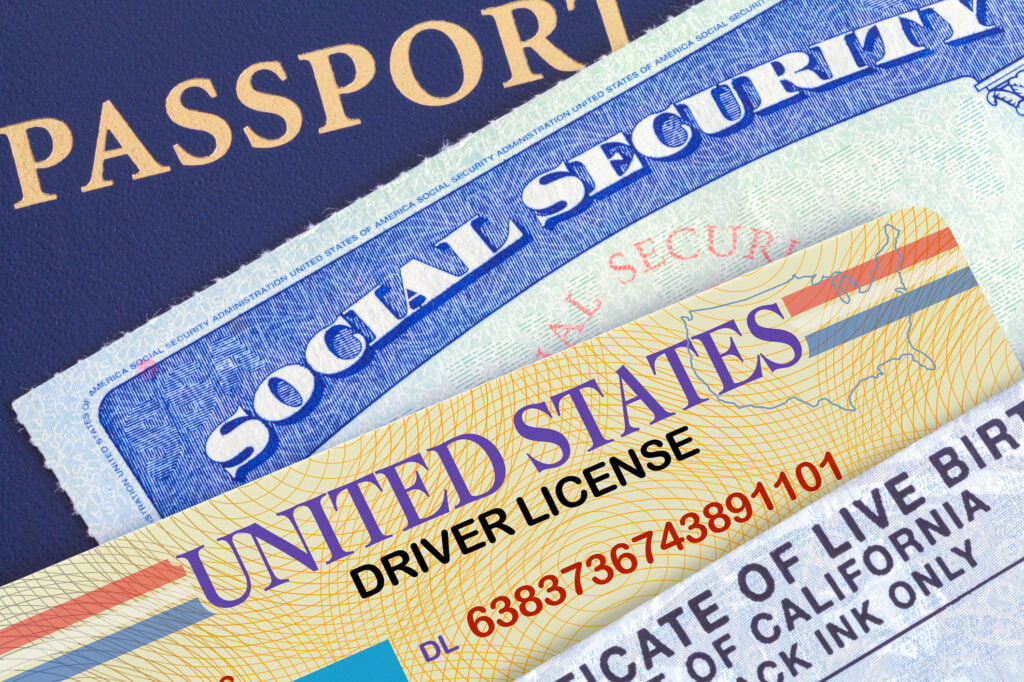
Every Item Has a Paper Trail (and a Digital One Too)
One of the most important rules in California pawn operations is documentation. Nothing enters or leaves a pawn shop without being recorded.
When a customer brings in an item, the shop must collect and log:
- Government-issued ID
- A detailed description of the item
- Serial numbers or identifying marks (if available)
- Photos of the item
- Date, time, and type of transaction
That information doesn’t just sit in a file drawer—it is transmitted to statewide law enforcement tracking systems.
California uses a centralized database system designed specifically for secondhand dealers and pawn shops. This allows police agencies to monitor transactions and identify stolen property quickly if it appears.
In fact, pawn shops are required to report transactions regularly—often daily or within one business day—depending on the item type and jurisdiction.
That reporting requirement alone changes the entire risk landscape. It means every item is traceable.
Pawn Shops and Police: A Working Partnership, Not a Suspicion Game
One of the most misunderstood parts of the pawn industry is how closely shops work with law enforcement.
Far from being adversaries, pawn shops and police departments rely on each other.
Here’s how that relationship works in real life:
- A customer brings in an item to pawn or sell
- The shop records detailed information and verifies ID
- That data is sent to law enforcement databases
- Police cross-check it against stolen property reports
- If there’s a match, the item is flagged immediately
This system helps police recover stolen goods quickly and return them to their rightful owners.
It also means criminals are far less likely to successfully “move” stolen property through legitimate pawn channels. In many cases, stolen items are identified before they even reach the sales floor.
As a result, pawn shops often become a key tool in theft investigations rather than a loophole for hiding property.
Mandatory Holding Periods: The Built-In Safety Buffer
California law also requires pawn shops to hold items for a specific period before they can be sold. This waiting window gives law enforcement time to:
- Review transaction reports
- Identify stolen goods
- Place holds on suspect items
- Recover property when needed
For certain items, especially firearms or high-value goods, the holding requirements can be even stricter.
This delay is intentional. It prevents rapid resale and ensures that items pass through a verification window before becoming available to the public.
In other words, even if something slips through early checks, there’s still time for it to be caught.
Secure Storage Isn’t Optional—It’s Essential
A major part of pawn shop safety that most customers never see is what happens after an item is accepted.
Once an item is pawned or purchased, it goes into secure storage—not onto a retail shelf.
At Lincoln Pawn and similar licensed shops, secure storage systems typically include:
- Reinforced safes for jewelry and cash-value items
- Locked inventory rooms with restricted access
- Categorized and tracked storage bins
- Climate-controlled areas for sensitive goods
- Internal chain-of-custody procedures for employee access
Every item is tagged and tracked from intake to sale. That means there is always a clear record of who handled it and when.
This is not just for theft prevention—it is part of legal compliance. If something goes missing or is questioned, the shop must be able to account for it instantly.
Surveillance Everywhere: Why Cameras Matter More Than You Think
Modern pawn shops are essentially high-security environments disguised as retail spaces.
Most locations operate with:
- 24/7 video surveillance
- High-definition cameras covering every angle
- Motion detection in storage areas
- Alarm systems connected to monitoring services
- Controlled entry and exit points
These systems serve two purposes: protecting inventory and protecting customers.
If there is ever a dispute, theft allegation, or law enforcement inquiry, video footage becomes a critical piece of evidence.
It also discourages fraudulent activity on both sides of the counter.
What Pawn Shops Actually Carry—and Why
Pawn shops in California don’t randomly stock items. Inventory is shaped by what people bring in and what holds value in the resale market.
That typically includes:
- Jewelry and precious metals
- Tools and construction equipment
- Electronics like laptops, gaming systems, and cameras
- Musical instruments
- Collectibles and specialty items
- Firearms (where legally permitted and tightly regulated)
These categories aren’t chosen by chance—they’re chosen because they retain value and can be reliably verified.
Jewelry, for example, is popular because it can be tested for metal content and stone authenticity. Tools are common because they are durable and always in demand. Electronics are frequent because of resale demand and identifiable serial numbers.
Each category also comes with its own verification process to ensure authenticity and condition.

The Myth Problem: What People Still Get Wrong
Even with all these regulations, pawn shops still battle outdated assumptions.
One of the biggest myths is that pawn shops are unregulated or risky. In reality, they are among the most closely monitored resale environments in the state.
Another misconception is that pawn shops deal heavily in stolen goods. In truth, the reporting systems and law enforcement integration make it one of the worst places for stolen items to disappear undetected.
There’s also the idea that pricing is arbitrary. But pawn pricing is typically based on real market value, condition, and resale demand—not guesswork.
The truth is simpler: pawn shops operate under strict rules, and those rules protect everyone involved.
Why Regulation Actually Benefits the Customer
It’s easy to think of regulation as paperwork and restrictions, but in the pawn industry, it creates something more important: trust.
Because of California’s requirements, customers benefit from:
- Verified item history and tracking
- Reduced risk of stolen merchandise
- Transparent loan and purchase documentation
- Secure storage of collateral items
- Law enforcement oversight built into every transaction
That level of structure is rare in many resale environments, especially online marketplaces where anonymity can increase risk.
Why Buying at a Pawn Shop Makes Sense Today
Retail stores are familiar, but they often come with higher prices due to overhead, branding, and distribution costs.
Pawn shops offer a different model:
- Lower pricing on comparable goods
- Access to unique or discontinued items
- Ability to inspect before buying
- Constantly changing inventory
- Regulated, documented transactions
For many shoppers, that combination of value and oversight makes pawn shops a smart alternative to traditional retail.
Final Thought: A System Built on Accountability
Pawn shops in California aren’t operating in the shadows—they’re operating in one of the most structured, transparent systems in retail.
From licensing requirements and law enforcement reporting, to secure storage and surveillance systems, every layer is designed to protect the public.
At Lincoln Pawn in Anaheim, CA, that system is part of everyday operations. Every item is tracked. Every transaction is recorded. Every safeguard is in place to ensure fairness, safety, and compliance.
And once you understand how it all works, the old myths fade pretty quickly.
What’s left is a regulated, secure, and surprisingly modern industry built on one simple idea: when everything is documented, everyone is protected. https://pawnanaheim.com/