A pawn shop loan lets you get cash quickly by using your valuable items as collateral. This article explains how these loans work, their benefits and drawbacks, and tips for using them smartly.
Key Takeaways
- Pawn shop loans provide quick access to cash without credit checks, making them appealing to individuals denied traditional loans.
- Loan amounts range from 25% to 60% of the item’s assessed resale value, with high interest rates often between 12% and 240% annually.
- Borrowers maintain ownership of their valuables while securing loans, but defaulting results in loss of collateral without impacting credit scores.
What Is a Pawn Shop Loan?
A pawnshop loan is a secured loan that uses personal loans as collateral in exchange for immediate cash. You bring an item of value to the pawn shop, which holds it as collateral until you repay the loan. This method enables quick access to funds, especially useful in emergencies. Pawnshop loans provide an alternative for those in need of immediate cash.
Pawn shop loans are highly accessible. Unlike traditional loans, they don’t require a credit check, making them an appealing option for those denied mainstream credit. Approximately 60% of pawn loan seekers have been turned away by conventional lenders. Title loans are another option that some may consider.
Pawn shop loans are non-recourse, meaning if you can’t repay, the pawn shop sells the collateral to recover the loan amount. This ensures your credit score remains unaffected, offering security for borrowers. Understanding how pawnshop loans work can help you make informed decisions.
How Pawn Shop Loans Work
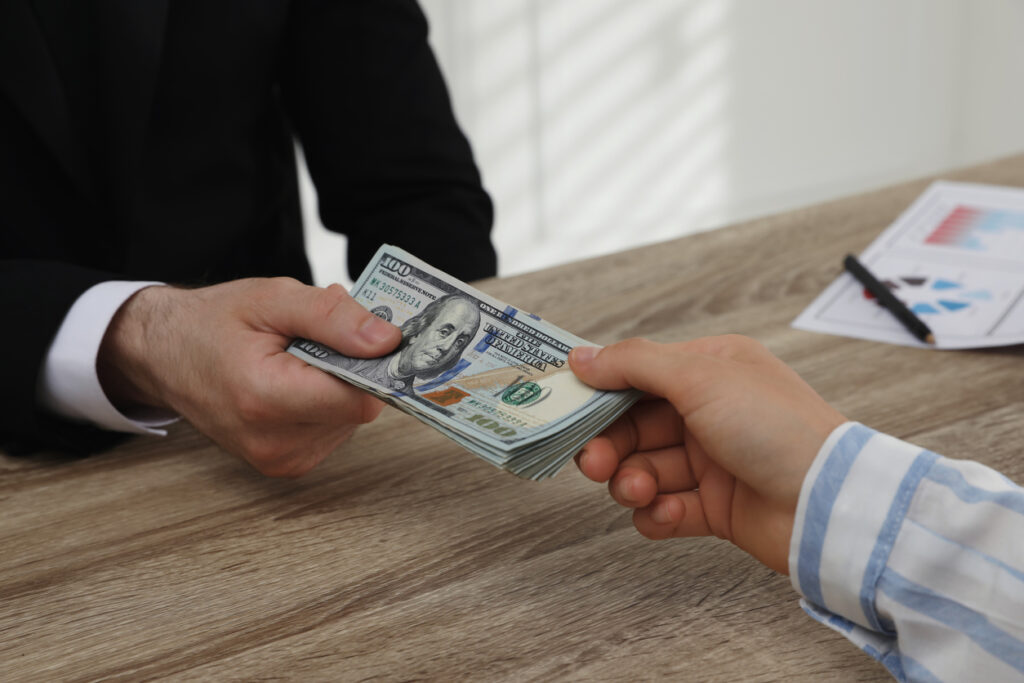
To obtain a pawn loan:
- Bring an item of value and a valid government-issued ID to the pawn shop.
- The shop evaluates the item to determine its resale value.
- The shop offers a loan amount typically ranging from 25% to 60% of that value.
This quick process allows you to access fast cash within minutes.
After appraisal, you receive the loan amount immediately upon approval, making pawn loans excellent for those needing quick cash. The loan agreement will clearly outline the loan amount, interest rate, and repayment period.
Understanding the appraisal, loan terms, and repayment term methods is crucial, as each aspect significantly impacts the overall borrowing experience from a pawn shop.
Appraisal Process
Pawn shops appraise items by evaluating their quality, condition, and market demand to determine resale potential. Factors like current market trends and item condition significantly influence the loan amount, typically ranging from 25% to 60% of the item’s resale value.
This thorough evaluation helps both the borrower and the pawn shop understand the collateral’s value, ensuring a fair loan amount. Researching your item’s current market value before visiting the pawn shop can help you secure the best deal.
Loan Terms and Conditions
Pawn shop loans usually have high interest rates, ranging from 12% to 240% annually. At Lincoln Pawn Shop, the interest rate is capped at 3% per month for loans of $2,499 or less. Repayment durations typically last 30 days but can extend up to 90 days depending on the agreement and state laws.
Borrowers must pay interest every 30 days during the loan period, and the due date for payments is important to note. Potential fees like insurance, storage charges, and late penalties might also add fees, so reading the loan agreement carefully is crucial.
Grasping these terms and conditions is vital for effective personal finance management. Be aware of the cost involved and ensure the loan terms suit your financial situation.
Repayment and Retrieval
The usual repayment period for a pawn shop loan is 30 to 60 days, depending on the terms. If you can’t repay within this period, most pawn shops offer extensions or renewals, though these may incur additional interest and fees.
After paying off the loan and any associated fees, you can reclaim your pawned item. If you don’t repay, the pawn shop keeps the item and sells it to recover the amount owed, ensuring your credit score remains unaffected. If the loan is not repaid, the pawn shop will proceed with selling the item.
Common Items Used as Collateral

Pawn shops accept a wide range of items as collateral, including:
- Jewelry, especially gold, silver, and diamond pieces, often valued based on current market prices
- Firearms
- Electronics like laptops and smartphones in good condition with original accessories
- Collectibles
- Tools
- Musical instruments
Musical instruments like guitars and keyboards can serve as collateral, with value depending on brand and condition. Other items accepted based on condition and market demand include:
- Tools from reputable brands
- Firearms with proper documentation
- Collectibles
- Antiques
- Sports equipment
Acceptance of collectibles, antiques, and sports equipment varies among pawn shops when you decide to make a business purchase while selling.
Pros and Cons of Pawn Shop Loans
Knowing the pros and cons of pawn shop loans is essential for informed financial decisions, as consumer advocates highlight. These loans provide quick access to cash without credit checks, appealing to those facing financial emergencies. Understanding pawnshop loans pros can further aid in making these decisions.
However, pawn shop loans can be expensive due to high interest rates and tight repayment deadlines. Weighing these factors can help you determine if a pawn shop loan suits your financial needs.
Advantages
A major advantage of pawn shop loans is the quick access to funds, often within the same day, crucial in emergencies. Additionally, they don’t require credit checks, making them accessible regardless of credit history.
Another benefit is maintaining ownership of your valuables while securing a loan. You can get a loan without permanently losing treasured items, provided you repay the loan.
Disadvantages
Despite their benefits, pawn shop loans have several disadvantages. Interest rates can be very high, often varying between 10% and 25% per month. Additionally, failing to repay the loan on time risks losing the pawned item, which can lead to a high cost.
Another drawback is potential additional costs like storage fees and late payment penalties. However, pawn shops do not report unpaid loans to credit agencies, so your credit score remains unaffected.
Tips for Using a Pawn Shop Loan Wisely
To use a pawn shop loan wisely, preparation is key. Research the value of your items before pawning them to enhance your negotiating power. Ensure your items are clean and in good condition to positively impact the loan amount offered.
Supporting documentation, like appraisals or receipts, can help establish the value of your items when negotiating a loan. Additionally, carefully read the loan terms to understand interest rates, fees, and repayment deadlines, ensuring they align with your financial situation.
What Happens if You Default?
If you default on a pawn shop loan, you lose your collateral. The pawn shop retains ownership of the item and can sell it to recover the loan amount, ensuring they are compensated.
A key advantage of defaulting on a pawn loan is that it does not affect your credit score. Unlike other loans, there are no legal actions or credit penalties, offering reassurance for borrowers.
Lincoln Pawn, Anaheim, CA a Trusted Quick Cash Option
Lincoln Pawn in Anaheim, California, offers a reliable option for quick cash through pawn loans. With competitive interest rates capped at 3% per month for loans of $2,499 or less, Lincoln Pawn ensures fair and affordable loan terms.
Customers can borrow against their items and reclaim them upon repayment, making Lincoln Pawn a trustworthy choice for collateral loans. The shop also offers a safe environment and free evaluations, ensuring a transparent, customer-friendly experience.
Summary
In summary, pawn shop loans offer a quick and accessible way to obtain cash using personal valuables as collateral. Understanding the appraisal process, loan terms, and repayment methods is crucial for making informed decisions. While these loans come with high-interest rates and the risk of losing your collateral, they provide a valuable option for those in urgent financial need.
By considering the pros and cons and following practical tips, you can use pawn shop loans wisely and avoid potential pitfalls. Lincoln Pawn in Anaheim, CA, stands out as a trusted option, providing fair loan terms and excellent customer service.
Frequently Asked Questions
What do customers receive when they sell items at Lincoln Pawn Shop?
Customers receive a sale receipt upon selling items at Lincoln Pawn Shop. This document serves as proof of the transaction.
What is promised regarding payment for items sold at Lincoln Pawn Shop?
Lincoln Pawn Shop guarantees to pay top dollar for items sold, ensuring that sellers receive fair value.
What services does Lincoln Pawn Shop offer?
Lincoln Pawn Shop offers pawn services, the option to sell items, shopping for the latest merchandise, and collateral loans.
What is the interest rate for collateral loans at Lincoln Pawn Shop?
The interest rate for collateral loans at Lincoln Pawn Shop is 3% per month or less.
How much money can you borrow at Lincoln Pawn Shop?
At Lincoln Pawn Shop, you can borrow between $25 and $25,000.