
You open your jewelry box and find two rings that look almost identical. Both are bright, silvery, and a little scuffed from years of wear. One was your grandmother’s. The other came from a mall jeweler a decade ago.
You may assume they’re worth about the same.
They might not be.
White gold and platinum can look nearly identical across a room, but they are very different metals. They wear differently, they’re marked differently, and they’re valued differently. If you’re thinking about selling, pawning, or buying a white metal piece, knowing which one you have is one of the most useful things you can learn.
At Lincoln Pawn in Anaheim, CA, we deal in both. Here’s what Southern California jewelry owners should know.
How can I tell if my ring is white gold or platinum?
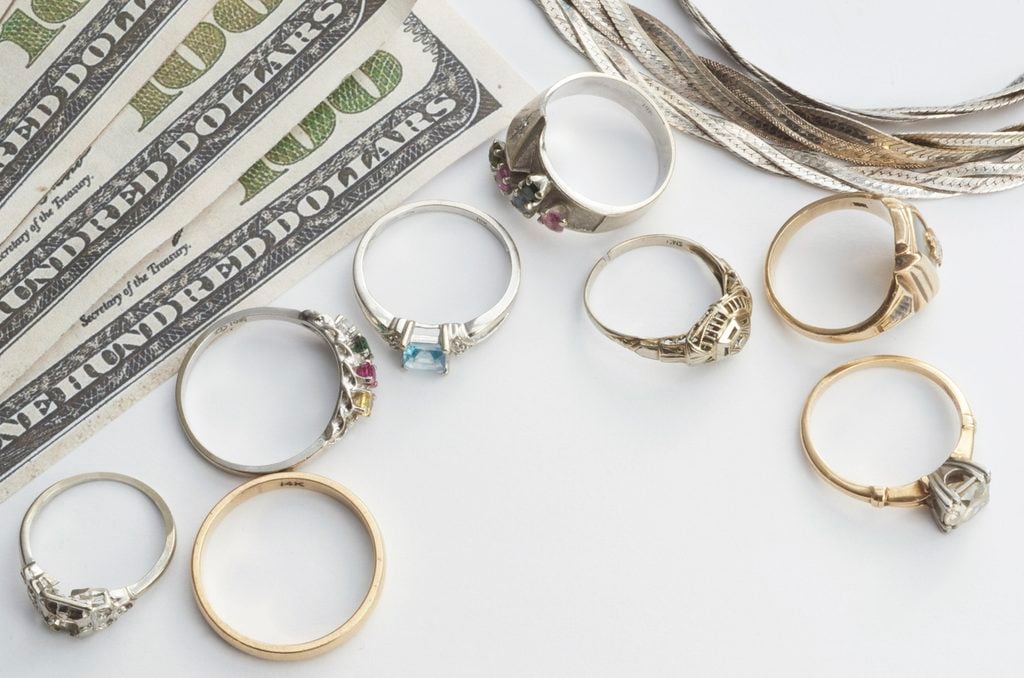
What’s the Difference Between White Gold and Platinum?
White gold is real gold. It starts as yellow gold and is mixed with white metals, such as palladium, nickel, or silver, to lighten its color.
Even then, white gold usually isn’t fully white on its own. Most white gold jewelry is finished with a thin plating of rhodium, a bright white metal. That plating is what gives many pieces their crisp, mirror-like shine.
Platinum is a different metal entirely. It is naturally white, so it doesn’t need a plating to look that way.
Platinum used in jewelry is also generally much purer than gold. Many platinum pieces are around 90 to 95 percent platinum. A 14 karat white gold ring, by comparison, is about 58 percent gold.
That difference in makeup is at the heart of almost everything else in this article.
How Can You Tell White Gold From Platinum by the Stamp?
Before anyone reaches for testing equipment, the best place to start is the inside of the band or the clasp. Most fine jewelry is stamped with a hallmark that tells you what it’s made of.
Common white gold stamps include:
10K or 417 (about 41.7 percent gold)
14K or 585 (about 58.5 percent gold)
18K or 750 (about 75 percent gold)
You may also see “WG” or “14K W” on some pieces.
Common platinum stamps include:
PLAT or PT
PT950 or 950 PLAT
PT900 or 900 PT
The numbers on platinum work like the numbers on gold. A PT950 stamp generally means the piece is about 95 percent platinum.
A hallmark is a helpful starting point, but it isn’t the final word. Stamps can wear down over years of wear. Rings that have been resized can lose part of their marking. And unfortunately, stamps can also be faked.
That’s why a hallmark should be confirmed, not just trusted.
How the Two Metals Wear Over Time
One of the easiest everyday differences to spot is how each metal ages.
White gold may start to look slightly yellow. As the rhodium plating wears away, usually on the parts of a ring that rub against your hand, the warmer color of the gold underneath can begin to show through. This is normal. It doesn’t mean the gold is fake or low quality. A jeweler can generally re-plate the piece to bring back the bright white finish.
Platinum develops a soft, satin look. Platinum doesn’t fade or change color. Instead, everyday scratches tend to move the metal around rather than wear it away. Over time, many platinum pieces take on a gentle matte finish that some people call a patina. Some owners love it. Others prefer to have it polished back to a high shine.
Weight can be a hint, too. Platinum is a very dense metal. If you hold two rings of similar size and one feels noticeably heavier, that may be a clue. Still, weight alone isn’t a reliable way to identify a metal, especially with pieces of different sizes or designs.
Why Home Tests Aren’t Enough
You may have seen online tips for testing jewelry at home with magnets, vinegar, or a scratch on a ceramic tile.
These tricks are generally unreliable for white metals. Gold and platinum are both non-magnetic, and some lookalike metals are too. Home tests can also scratch, stain, or damage a piece you care about.
If you want to know what you have, the safest option is to let an experienced professional take a look.
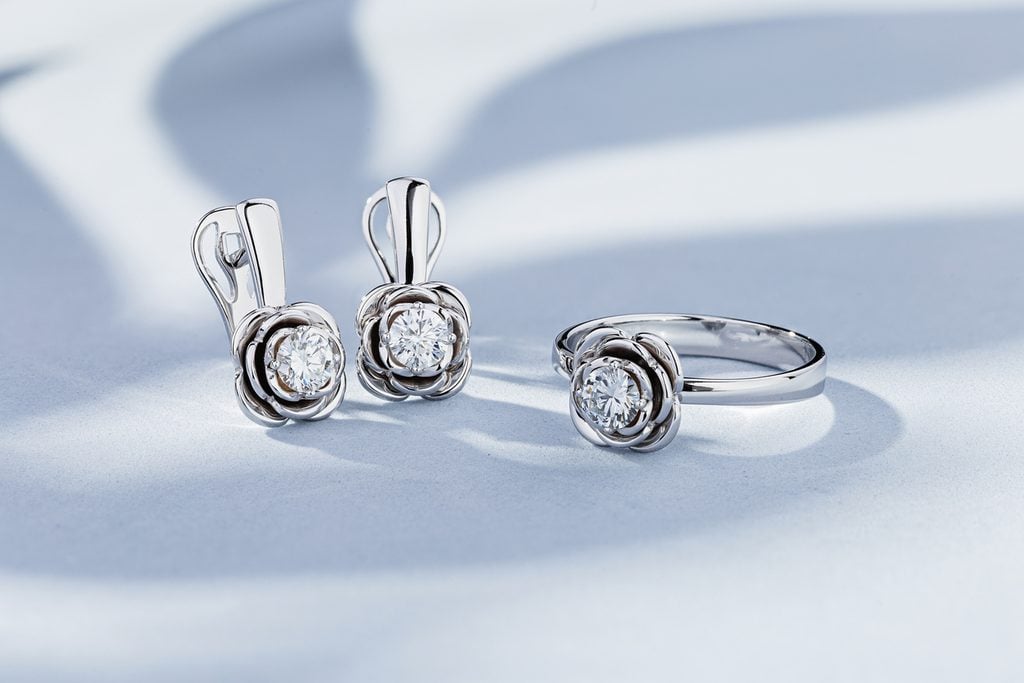
Is Platinum Worth More Than White Gold?
When you sell or pawn precious metal jewelry, the metal itself is a major part of the value. And white gold and platinum are valued as two different metals.
At Lincoln Pawn in Anaheim, we pay for platinum jewelry based on a combination of market value, weight, and purity. Each of those factors matters:
Market value. Gold and platinum each have their own market price, and those prices move independently. One may be priced higher than the other at a given time, and that can change. This is one reason you shouldn’t assume either metal is automatically worth more.
Weight. More metal generally means more value. Because platinum is so dense, a platinum piece may weigh more than a white gold piece of a similar size.
Purity. A piece that is 95 percent platinum contains a different amount of precious metal than a 14 karat white gold piece that is about 58 percent gold. Purity directly affects how much precious metal is actually in your jewelry.
This is also why mixing up the two can be costly. If a platinum piece is mistaken for white gold, or the other way around, the value can be calculated on the wrong metal entirely.
What If There Are Diamonds Involved?
Many white gold and platinum pieces are engagement rings, wedding bands, and anniversary jewelry set with diamonds.
The metal and the stones are evaluated separately. The setting is valued as precious metal, and the diamonds are judged on their own qualities.
If you want to understand how diamonds are graded, our earlier post, Diamonds Explained: The 4Cs, Lab vs. Natural, and How to Buy Smart in Anaheim, walks through the basics.
White Gold and Platinum at Lincoln Pawn
White gold is a specialty here at Lincoln Pawn. Our team of professional appraisers brings over 25 years of combined experience, and we deal in all types of white gold, including:
Rings and earrings
Necklaces
Watches
White gold bars and coins
We also accept all types of platinum jewelry, including platinum rings, necklaces, earrings, and watches.
You can see more on our White Gold and Platinum pages.
Whether you’re looking to sell a piece you no longer wear, pawn it for a short-term loan while keeping the chance to get it back, or shop for a white metal piece of your own, it helps to know exactly what you’re working with.
Shopping for White Metal Jewelry
If you’re buying rather than selling, the same knowledge can help you choose well.
Think about upkeep. White gold generally needs occasional re-plating to keep its bright white color. Platinum doesn’t need plating, but it will slowly soften into that satin finish. Neither is better. It comes down to the look you prefer and how much maintenance you’re comfortable with.
Think about everyday wear. A ring worn every day, especially by someone who works with their hands, will show wear sooner than a piece saved for special occasions. Knowing how each metal ages can help you pick one you’ll be happy with years from now.
Consider matching pieces. If you’re pairing a wedding band with an engagement ring, many people choose the same metal for both. Two different metals worn side by side may age differently over time.
Look for the stamp. Check for a hallmark, and ask what the piece is made of. A good seller should be able to tell you.
Ask questions. It’s always fair to ask how a piece was identified and what you’re paying for.
A Few Tips Before You Come In
Gather everything together. Bring the full piece, including any matching earrings or broken parts. Even a broken chain still contains precious metal.
Don’t over-clean it. A gentle wipe is fine. Harsh polishing or chemical cleaners can damage settings or plating.
Bring paperwork if you have it. Original receipts or appraisals can help tell a piece’s story.
Ask questions. If you’re not sure whether a piece is white gold, platinum, or something else, just ask. That’s what we’re here for.
White Gold and Platinum FAQ
Can I tell white gold from platinum just by looking? Usually not. They can look nearly identical, especially when white gold has fresh rhodium plating. Hallmarks, wear patterns, and professional testing give a clearer answer.
Why is my white gold ring turning yellow? The rhodium plating on most white gold wears over time, letting the warmer gold underneath show through. A jeweler can generally re-plate it.
Does Lincoln Pawn buy platinum jewelry? Yes. Lincoln Pawn accepts platinum rings, necklaces, earrings, watches, and more, and pays based on market value, weight, and purity.
Can I pawn white gold or platinum instead of selling it? Yes. A pawn loan lets you use your jewelry as collateral while keeping the chance to get it back.
Know Your Metal Before You Decide
White gold and platinum may look alike, but they are not interchangeable. Knowing the difference can help you make a more informed decision about whether to keep, sell, pawn, or buy.
If you have white metal jewelry and aren’t sure what it is, bring it to Lincoln Pawn in Anaheim, CA. Our team can help you understand what you have and what your options may be.
Lincoln Pawn
2673 W Lincoln Ave, Anaheim, CA 92801
(714) 229-5864
Monday through Friday, 10 AM to 6 PM. Saturday, 10 AM to 5 PM. Closed Sunday.
Lincoln Pawn: Know your metal, know your options.


